Many organisations are investing heavily in new technologies, yet the real challenge often lies elsewhere. The shift toward intelligent work is not simply about adding new tools. It requires a rethink of how teams operate, how decisions are made, and how information flows across the business. The true value is unlocked when technology works side by side with people in a structured, context-rich environment.
In many companies today, systems are disconnected. Workflows are rigid. Context is scattered across dashboards, applications, and conversations. People navigate this every day by filling the gaps with instinct and experience. But intelligent systems cannot function in the same way. They require clarity, structure, and access to information at the moment decisions happen. When these foundations are missing, organisations face stalled initiatives, low adoption, and limited value from their investments.
Creating workplaces that can support this new way of working means designing systems that help both humans and digital teammates operate effectively. This involves much more than introducing automated processes. It means reshaping how work is coordinated and how information is shared.
Several principles guide this transformation. Work should happen in a place where both people and intelligent systems can access the same context. Authorisation and data access should be precise and aligned with roles. Teams need clear signals that show when a system should take the lead and when human oversight is needed. There must also be simple ways to correct or refine actions so that work remains fluid. Every interaction becomes a chance for the organisation to learn and adapt.
When these principles are applied, workflows become more connected and responsive. Teams can focus on meaningful work rather than navigating fragmented systems. Intelligent tools can contribute in a way that enhances decision making and accelerates progress. The outcome is not just efficiency. It is a workplace that learns, adapts, and improves continuously.
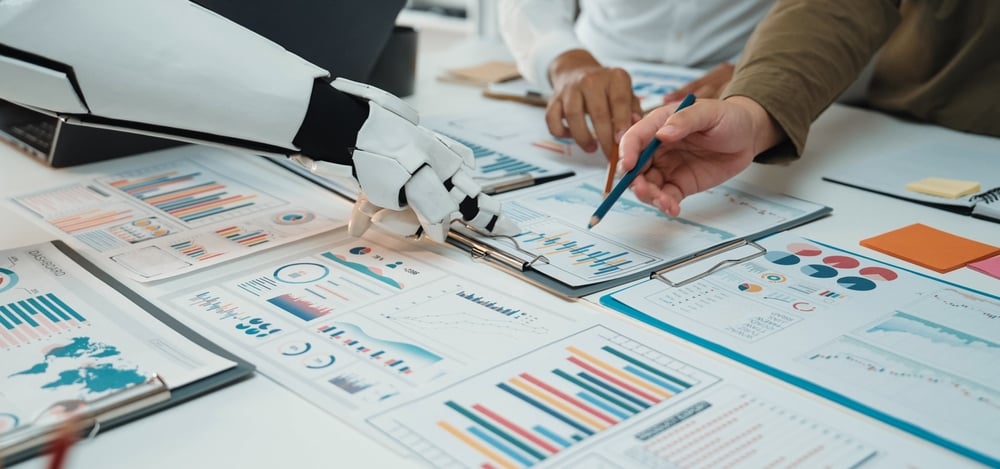
Collaboration platforms play an important role in enabling this shift. When conversations, data, and applications live in one environment, intelligent systems can understand the full picture and act with greater accuracy. Teams benefit from clear handoffs, shared insights, and faster coordination. This creates a more natural rhythm of work where people and systems operate together instead of in parallel.
Organisations that embrace this approach position themselves to benefit from more stable decision making, faster execution, and a stronger customer experience. They remove friction from daily activities and create a foundation that supports future innovation. The goal is not just automation. It is a smarter environment where human judgment and digital capability strengthen each other.
At NetU, we support organisations in preparing for this next stage of intelligent work. Through structured planning, systems integration, and tailored implementations, we help teams build workflows that connect people, data, and technology in meaningful ways. Our role is to guide businesses as they design environments that enable smarter operations and long-term performance.