For decades, organizations have relied on the org chart to manage complexity. Sales, marketing, service, and operations were separated into functions, each with its own tools and goals. This structure helped companies scale, but it also created silos. Customers felt the result. Disconnected conversations. Repeated questions. Promises made in one department and missed in another.
AI agents introduce a different way of working. They are not just tools that automate tasks. They understand relationships between data, actions, and people. This allows organizations to move beyond rigid structures and operate around outcomes rather than departments.
Traditional enterprise systems simplified reality because humans could not manage full complexity at scale. Teams optimized their own metrics, often without visibility into the full customer journey. Even with CRM and data platforms, companies struggled to turn information into shared understanding. Data showed what happened, but not always what mattered next.

AI agents change this dynamic by making coordination easier and faster. When data is unified and accessible, agents can connect signals across sales, service, and marketing in real time. They help organizations see the customer as one continuous relationship rather than a series of handoffs. This reduces friction and supports more consistent experiences.
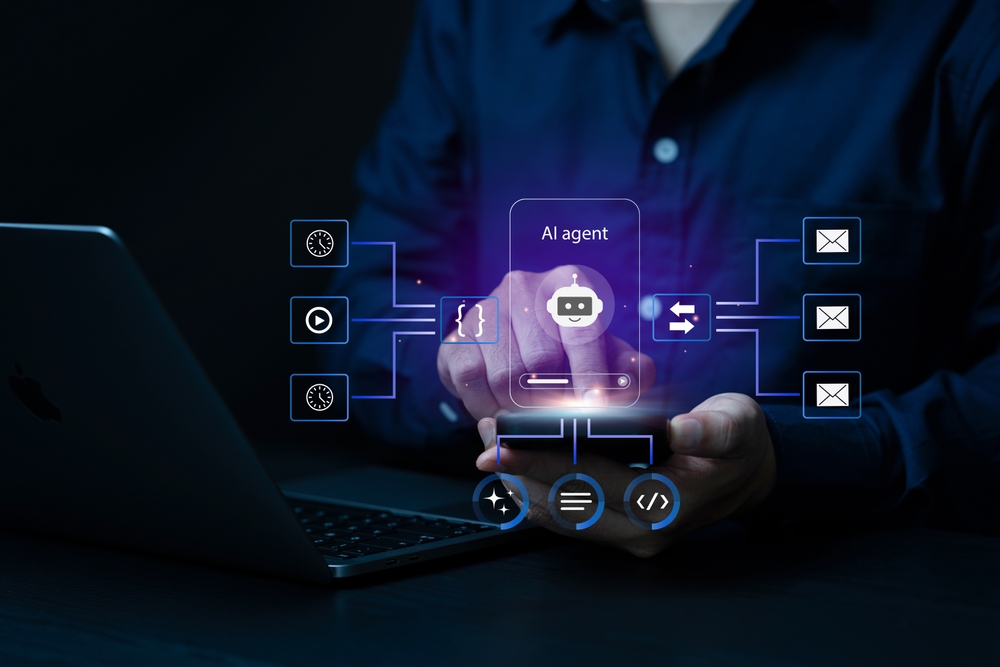
The real shift is not about reducing headcount. It is about redesigning how work flows. AI agents operate within daily workflows and collaborate with people. They surface context, suggest actions, and escalate when human judgment is needed. This allows teams to focus on decisions and relationships instead of chasing information.
As coordination becomes easier, the logic behind strict departmental boundaries starts to fade. Organizations can become more fluid. Teams adjust based on customer needs rather than internal structures. Leadership priorities also evolve. Success is measured less by isolated efficiency and more by adaptability, trust, and depth of engagement.
This transition requires intention. AI agents need environments where context is clear, data is connected, and governance is strong. They perform best when embedded in systems that already support collaboration and shared visibility. When implemented thoughtfully, they help organizations manage complexity instead of avoiding it.
The future enterprise will not be defined by a new interface or another layer of technology. It will be shaped by how well people and intelligent systems work together. Organizations that embrace this approach will be better positioned to respond to change, align teams, and build stronger customer relationships over time.
At NetU, businesses are supported through this shift by aligning technology with real operational needs. From connecting data across systems to guiding teams through new ways of working, NetU helps organizations unleash digital labour with Agentforce and move beyond silos and toward outcome driven enterprise models. The focus remains on clarity, coordination, and long-term value for leadership and teams alike.