Many organisations approach artificial intelligence as another tool to add to their technology stack. A new model. A new interface. A new feature. But real progress does not come from switching on AI. It comes from adapting how work is done.
Enterprise work is complex by nature. It is shaped by people, conversations, decisions, and timing. Traditional systems struggle to hold this context. Teams compensate through experience, judgement, and informal knowledge. This works for humans. It does not work for intelligent agents.
Agentic AI introduces a new way of working. These systems do not simply automate tasks. They participate in workflows. They observe context. They act when appropriate. For this to succeed, the environment must be designed with clarity. Data access must be governed. Decisions must be visible. Handoffs between people and systems must feel natural.
Many AI initiatives fail because they are layered onto fragmented environments. Data sits across disconnected systems. Workflows are broken into steps that lose meaning outside their department. Context disappears between tools. In such settings, intelligent systems cannot operate effectively. The issue is not capability. It is design.
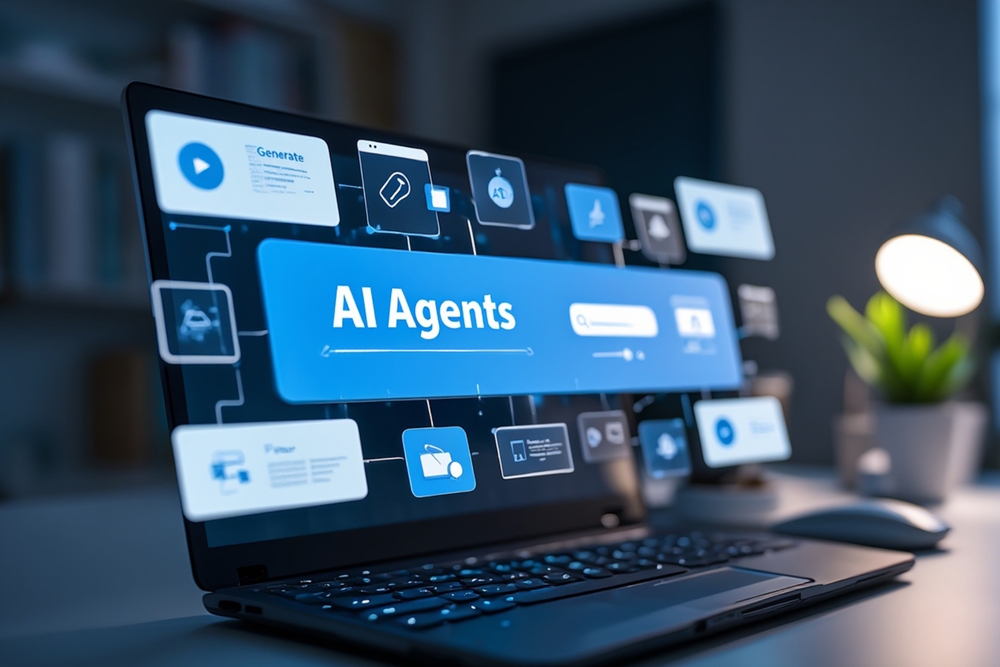
Adapting to agentic work requires rethinking how work flows across the organisation. Agents need to operate where decisions are made. Not in isolated dashboards. They need clear rules on when to act independently and when to involve people. They need feedback loops that allow learning and adjustment over time. Most importantly, they need access to unified data that reflects the real state of the business.
When these foundations are in place, the benefits extend beyond automation. Teams experience lower cognitive load. Information arrives with context. Actions happen faster. Escalation becomes simpler. Collaboration improves because people and systems share the same view of work.
This shift also changes leadership priorities. Success is no longer measured only through efficiency or output. Adaptability becomes critical. Trust in systems matters. So does the ability to respond to change without disruption. Agentic AI supports this by making coordination easier across teams and functions.

Platforms that combine data, workflows, and collaboration create the right conditions for agentic work. When intelligent systems operate within the same environments where teams already communicate and decide, adoption becomes natural. AI becomes part of the work, not a layer on top of it.
For organisations exploring this transition, the focus should be on readiness rather than speed. Understanding existing workflows. Strengthening data foundations. Designing governance and feedback into everyday processes. These steps determine whether AI delivers value or frustration.
At NetU we work with organisations that want to move beyond experimentation and build environments where intelligent systems can contribute meaningfully. Through platform selection, integration, and structured change, NetU helps businesses adapt the way work gets done, so technology supports people rather than competing with them.