Every major wave of technology has changed the way we work. From mainframes and spreadsheets to cloud applications, each innovation has made businesses faster and more efficient. Yet these tools have always depended on human input and direction. The rise of digital labour marks a turning point. It introduces Intelligent Platforms that not only support employees but can also act on their own, carrying out tasks and decisions at a scale no human team could match.
What digital labour means for business
Digital labour refers to the ability to extend human capacity by executing work that previously required judgment, reasoning, and constant attention, through Agentic AI. Agents can now analyse information, make decisions, and carry out actions across departments and industries. Unlike traditional automation, which mostly replaces repetitive processes, digital labour is capable of handling both routine and complex tasks.
This new digital workforce can assist in areas such as finance, service, supply chain, and research. Imagine a system that reviews large volumes of documents in seconds, highlights risks, identifies opportunities, and even suggests next steps. Businesses can manage higher workloads without the same increase in operating costs, while teams are freed to focus on strategic and creative priorities.
Why digital labour matters now
There are two major reasons why digital labour is becoming essential. The first is the volume of data businesses must handle every day. It has grown to a point where human teams cannot keep up. Intelligent digital systems thrive on this scale, turning information into real-time insights that improve performance and decision-making.
The second is workforce availability. In many markets, demand for skilled workers continues to exceed supply. Companies are expected to deliver more with fewer people. Digital labour helps bridge this gap, providing around-the-clock support and scalability without the delays of recruitment and training.

Practical applications
The value of digital labour is already visible in many industries. In financial services, systems can review records, identify compliance risks, and provide personalized recommendations. In customer service, they can resolve common issues instantly, while passing more complex cases to human agents. In logistics, they can forecast demand, optimize inventory, and suggest more efficient delivery routes.
These examples show how digital labour does not simply cut costs. It enhances resilience, speeds up processes, and creates new opportunities for growth. The combination of human employees and digital workers leads to a more adaptable and productive organization.
Considerations for leaders
Like every major transformation, digital labour has strengths and limitations. It excels at speed, accuracy, and scalability but cannot replace human creativity or emotional intelligence. Business leaders need to think of it as a complement rather than a replacement. The most effective strategy is to design a workforce where digital systems handle what they do best, and employees focus on areas requiring empathy, judgment, and imagination.
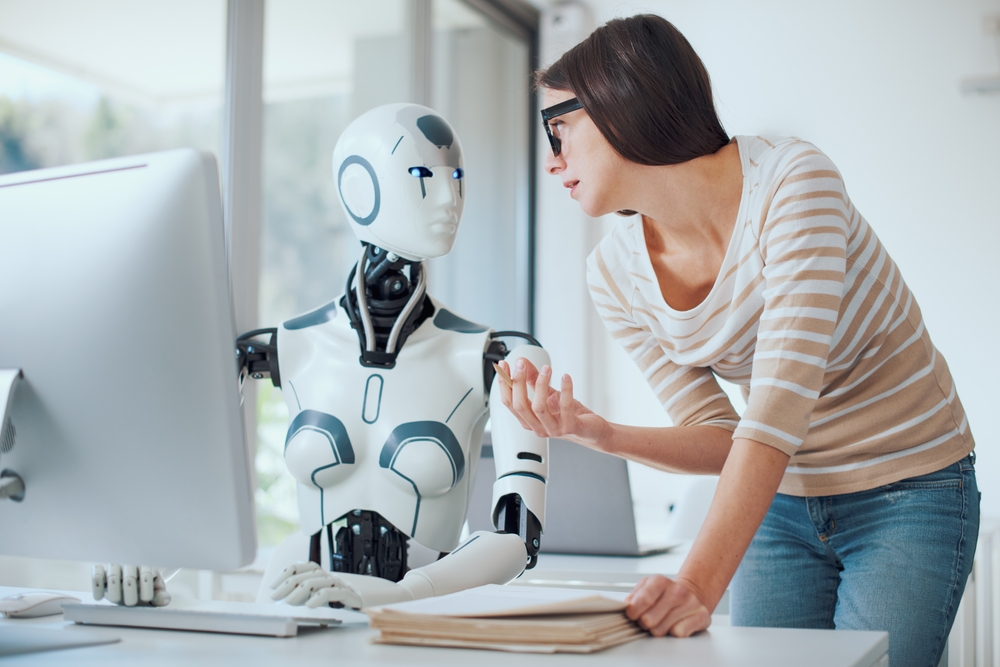
Salesforce Agentforce and NetU
Salesforce Agentforce is a clear example of how digital labour is becoming a practical reality inside businesses. As part of Salesforce’s AI-powered CRM capabilities, Agentforce introduces intelligent digital agents that can autonomously resolve service queries, assist sales teams, and manage complex workflows. By embedding digital labour directly into daily operations, Agentforce helps organizations achieve higher efficiency, faster response times, and more personalized customer experiences.
NetU as a trusted partner standing next to organizations for more than 34 years, will ensure that this transformation translates into tangible value for organizations, by advising, implementing, and customizing solutions like Agentforce to align with each client’s unique business goals. NetU brings deep expertise in both CRM strategy and enterprise integration, helping organizations reimagine their workflows, optimize customer interactions, and adopt AI-driven capabilities with confidence. Beyond technical deployment, NetU also focuses on change management and user enablement, ensuring that businesses can scale the benefits of digital labour across teams and processes.
Through this approach, we enable businesses to move from traditional, human-dependent operations to a model where people and digital agents work side by side, driving productivity, innovation, and stronger customer experiences.